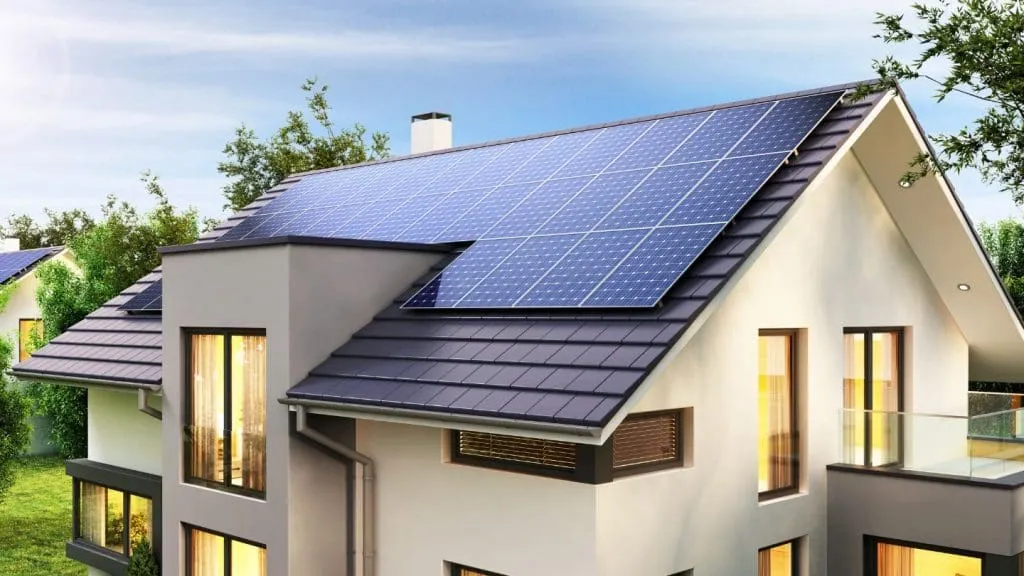
With the introduction of solar energy to the homes of the modern world, the roof located under the panels is a key factor in long-term performance. Roofing materials do not all react to solar installations in the same way, and as many people think, compatibility is important. When homeowners are thinking of metal roofing in Johns Creek, they can often find that metal systems can offer the durability, efficiency, and strength that solar projects require. Metal roofing, when installed by trained professionals, does not interfere with the integrity of the roof to support solar technology.
Strengths in the Structure that are Conducive to Solar Systems
The weight of solar panels on a roof over time is constant. A metal roof is the only material that is capable of carrying this load without stress and deformation. It is very strong, with a weight ratio that enables it to sustain mounting systems and ensure structural stability.
This is particularly significant to long-term installations. The metal roofing will not deteriorate or weaken with use, unlike other materials, which deteriorate and wear with constant utilization. That stability minimises the chances of structural adjustments in the future, which keep solar systems in place.
Solar Lifespan is Equal to Longer Roof Life
Solar panels are expected to be durable, and the roofing material should be the same. Metal roofing is usually superior to other traditional roofing materials in terms of durability and resistance to wear in the environment.
Metal roofs have a lifespan of 40 to 70 years when installed properly, thus they tend to last longer than the solar systems attached to them. This consistency eliminates the necessity to strip and re-install the panels because of an untimely roof change, and saves time and investment.
Efficient Panel Attachment No Penetration Risk
Metal roof systems can be used to mount the solar panels with special clamps that can be attached directly to the seams and not through the roof surface. This reduces the interference with the roofing system but still ensures weather resistance.
Professional installers know how metal roofing profiles would interrelate with solar mounting hardware. This has made sure that attachments are secure without leaving loopholes that may compromise the performance of the roof in the long run.
Better Energy Consumption and Thermostat
Metal roofing will also reflect much of the sun’s heat, and this will aid in controlling the temperature of the roof surfaces. This reflective aspect is in co-existence with solar panels since it minimizes heat retention under the panels.
The reduced roof temperatures help to enhance the efficiency of the panels and the overall performance of the system. The metal roofing provides better control of heat, hence maintaining a consistent energy production, and also provides protection to the structure beneath.
Electrical System Safety Considerations
Safety is an issue when it comes to electrical systems. Metal and roofing are incombustible and offer a stable surface to electrical parts related to solar installations.
The behavior of lightning strikes on a metal roof is used to answer the question of what occurs when lightning is discharged onto the roof. When installed properly, metal roofing systems are safe in dispelling electrical energy and hence can do away with the chances of damage when incorporated with good grounding practices.
Resistance to Weather and Storm Performance
Solar panels should be able to survive wind, rain, and extreme weather. Metal roofing has good resistance to such conditions, and it serves to assist in protecting the panels as well as the structure underneath. This toughness makes solar systems less likely to be destroyed in case of extreme weather conditions, and this means that it is unlikely to be broken or misaligned due to the movement of roof materials.
Less Maintenance in the Long Run
The metal roofing does not need a lot of maintenance as much as other roofing materials. This minimal maintenance performance is an addition to the solar systems, which are intended to operate over a long period with minimum maintenance.
A lesser number of roofing issues implies that there will be reduced disturbances to the solar system. Professional installation means the two systems will be compatible to operate without future complications in service provision.
Professional Planning Matters
Integrating the metal roofing and solar technology requires proper planning and accurate implementation. Skilled professionals assess the roof design, loading, and connecting techniques to guarantee compatibility and functionality.
This is a coordinated method to safeguard the roofing system and to help in the effective integration of the solar. It also helps in adherence to structural and safety requirements across the project lifecycle.
Conclusion
Metal roofing is a powerful, efficient, and reliable platform on which solar installations can be built. It is highly durable, has the capability to manage heat, and has a high service life, which makes it suitable to support renewable energy systems. This combination provides a uniform performance and long-lasting value when it is planned and properly installed without jeopardizing structural integrity.