The design of electrified homes is made to support and accommodate more electric loads as well as future upgrades, which can be heat pumps, EV charging, induction cooking, smart load management.
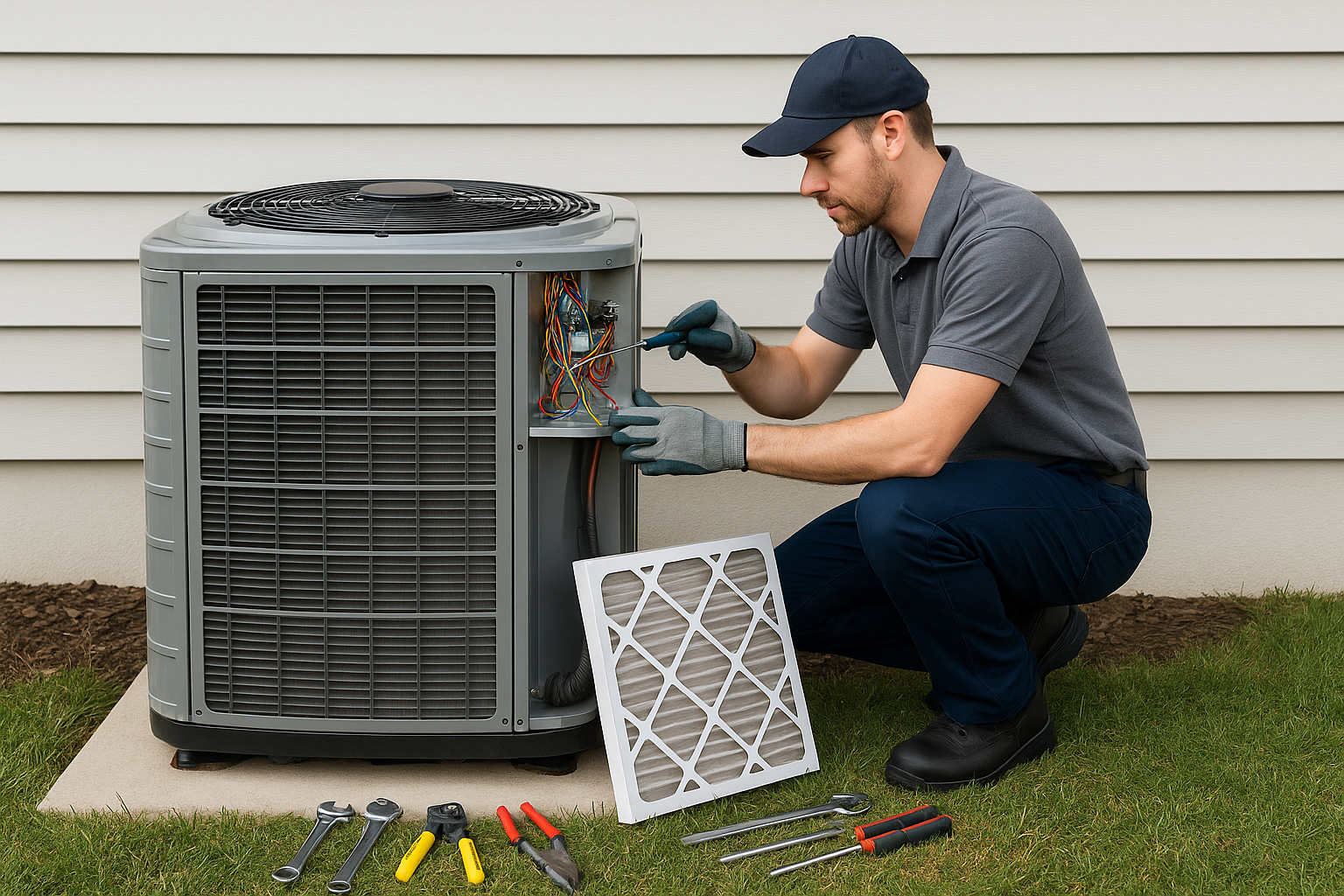
The choice to install or upgrade an air conditioner when the time comes to do it does not just involve the summer comfort. It influences the panel capacity, duct air demands, and the ease with which the home owner can change to a heat pump in future.
Most homeowners will upgrade the AC equipment depending on the size of the old unit, but the electrified home planning begins with the current performance of the home and how it will change in the next few years.
A sensible strategy will minimize the amount of rework in the future, help maintain a constant level of humidity, and make operating costs predictable. The aim is an air-conditioning system which can fit the house as it is, but can be upgraded to electrification in the future.
It is Better to make Choices about Cooling that Remain Future-Proof
Right-Sizing and Load Calculation of an Electrified Home
Tightly insulated homes with better windows and better air sealing which are often found in an electrified home tend to require less cooling load than older homes. This is one of the reasons why it is important to have replacement planning with a calculation of the current load as opposed to duplicating the tonnage of the current AC.
Huge systems may chill fast and the cycles are too brief that leave the humidity high and the room temperatures uneven. Small systems are able to run 24 hours and still fail in peak heat. Internal loads are also taken into consideration in right-sizing. The electrified houses can also have more plug loads due to electronics, charging stations, or home offices which influence heat gains.
The strategy of ventilation is important as well. In the example of the HVAC system of the home that intends to add one, it influences the behavior of the load and humidity. Duct design and static pressure also are important to be considered by contractors since a well-sized unit performs poorly when returns are limited or long duct runs are limited.
Load planning ought to be recorded in order to simplify any subsequent upgrade in case the homeowner in future switches to a heat pump. Real-condition sizing will help in comfort and the minimization of cycling issues which result in a noisy operation and uneven cooling.
Circuit Planning, Degree of Readiness of Panels and Electrical Capacity
Although a standard AC requires a special circuit it is important to note that electrified homes think of how all the appliances will interact with each other and mostly on peak afternoons of summer when several appliances are likely to operate at the same time.
The replacement planning must cover a review of the panel capacities and an inspection of the condition of breaker spaces, service conductors and locations of disconnects. It is not merely a question of whether the new unit may be powered or not, but whether the further extensions can be made without emergency panel work.
There are homeowners who intend to install EV charging or an electric water heater in the future, and replacement of AC is a good opportunity to draw out how the circuits will be laid. When smart load management is employed or is under consideration by the home, the AC system must be capable of the control strategy in order that peak demand can be controlled without losing comfort.
In other projects, when a coordination hub is involved, like at Rowlett office, it helps to ensure the timing of electrical planning, HVAC scheduling and permit timing is coordinated so the replacement did not get delayed by an unexpected panel constraint.
The checking of wire sizing and grounding is also another aspect of the preparation since old wiring might not be compatible with the new machines. Early planning of electrical information avoids surprises at the last minute and allows home owners to make decisions based on long term objectives of electrifying their houses.
Priorities of Ductwork, Airflow and Control of Humidity
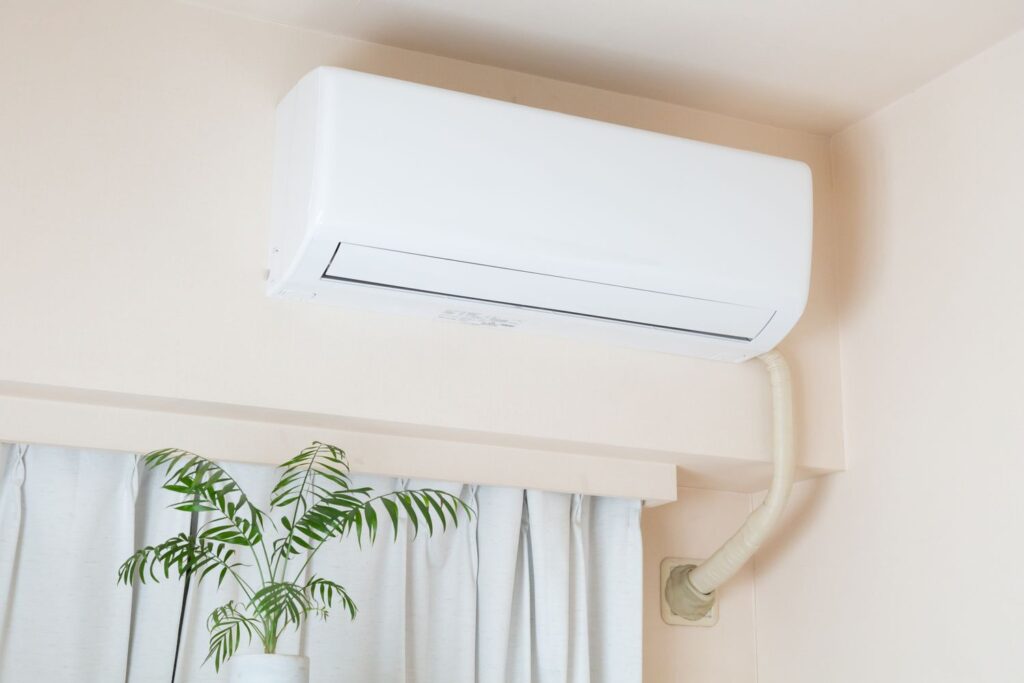
Airflow is essential to electrified home comfort since nowadays high efficiency systems operate at lower output over longer run periods to hold steady temperatures. The appropriate ducts and returns can enhance comfort, provided that the ducts and returns provide a sufficient flow of air at reasonable static pressure.
Checking of return sizing, design of filter cabinet, and duct leakage should be under replacement planning. Attic or crawl space ducts that leak conditioned air and may draw in hot humid air, leading to the consumption of more energy and decreased comfort. Duct sealing and insulating is frequently a very economical enhancement to make when changing an AC.
A major consideration should also include humidity control, in the fact that short cycling caused by oversized equipment may leave home sticky when the temperature is low. Adequate air circulation, proper refrigerant charge and reasonable equipment sizing will aid in the improved moisture removal.
Homeowners in certain electrified homes also install indoor air quality features, including deeper filters or ventilation, which can also impact on the static pressure and which must be carefully planned. Post replacement balancing of airflow is also of importance particularly when renovation or electrification alteration of rooms altered room layouts, added insulation and modified return pathways. A replacement can be successful after checking airflow, not merely checking the temperature of the thermostat.
Planning Eliminates the Rework in the Future
The planning of AC installations and replacement of electrified homes should begin with the proper calculation of the loads, verification of airflow, and the proper view of future electrical improvements.
Right sizing facilitates consistent maintenance of humidity and minimizes cycling troubles which result in unequal comfort. Circuit planning and electrical panel preparedness can be used to avoid delays and get the cooling system into a wider electrification roadmap.
Duct sealing, return additions, and balanced airflow safeguard the performance and save on the wastage of energy. Lastly, control integration and heat pump preparedness options are useful in the future in the event that the home will eventually switch to all electric cooling and heating. Planned well, home owners can experience certain summer comfort today and at the same time retain the home ready for the next stage of electrification.